
Australia travel: a 21-day itinerary and budget
A 21-day route through Sydney, Melbourne, Uluru and Cairns, with an itemised budget, entry advice for Spanish passports, seasons and transport.
26 August 2026 · 13 min read
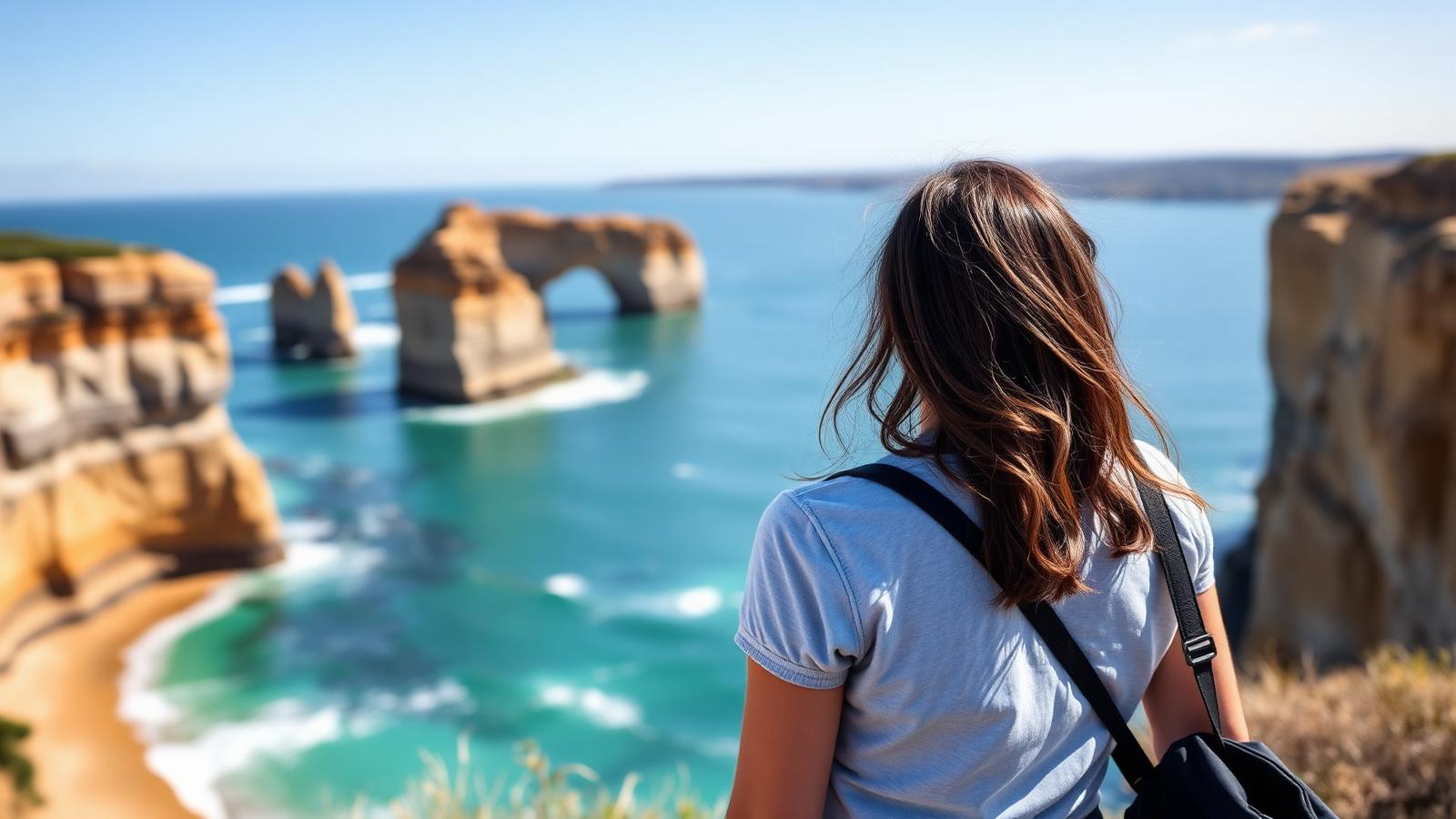
Travelling to Australia for three weeks means choosing your stops carefully: Sydney, Melbourne, Uluru and Cairns are thousands of kilometres apart. This route combines cities, coastline, desert and reef without making the trip a string of airport visits. It also includes an itemised budget for travellers departing from Spain.
Entry documents for travellers from Spain
- Passport: it must be valid throughout your stay. Leave extra validity in case your return date changes.
- eVisitor, subclass 651: this is the relevant visitor visa for eligible Spanish passport holders. You apply online; there is no application fee, and it permits visits of up to three months per entry during its validity period.
- Onward ticket and funds: authorities may ask for evidence that your visit is temporary and that you can support yourself.
- Arrival declaration: declare relevant food, animal or plant products, wood, seeds, camping equipment and footwear carrying soil.
For a Spanish passport, check the eVisitor 651 rather than assuming you need the ETA 601 advertised on many commercial sites. Apply through the official Department of Home Affairs website and confirm the current conditions before flying. If you hold another passport, check which visa applies to your nationality.
Biosecurity: what you need to declare
Australia takes protection of its agriculture and ecosystems seriously. Failing to declare a risk item can lead to a fine, even when the product is packaged. Declare relevant food, biological products, wooden crafts, outdoor boots or camping equipment. Declaring something does not automatically mean it will be confiscated: an officer can inspect it and decide.
When to follow this route
Australia has several climates. To combine the south, the Red Centre and the tropical north, May to September offers a practical balance, though southern cities can be cool in winter.
| Region | Generally favourable period | Main conditions |
|---|---|---|
| Sydney and Melbourne | March–May and September–November | Mild temperatures; Melbourne’s weather can change within hours |
| Uluru and the Red Centre | May–September | Milder days and cold nights; extreme summer heat |
| Cairns and Daintree | May–October | Dry season; less humidity and lower cyclone risk |
A 21-day Australia itinerary
Days 1–5: Sydney and the Blue Mountains
Allow time at the start to recover from jet lag. Explore Circular Quay, the Opera House, The Rocks and the Bondi to Coogee coastal walk. Set aside a full day for the Blue Mountains by train or on a tour, and leave an afternoon for Surry Hills or Newtown.
Days 6–10: Melbourne and the Great Ocean Road
Fly to Melbourne and spend two days exploring its markets, galleries, cafés and neighbourhoods. Allow two days for the Great Ocean Road, with a night in Apollo Bay or Port Campbell: a same-day return involves too much driving and leaves little time to enjoy the coast.
Days 11–13: Uluru and Kata Tjuta
Fly to Ayers Rock Airport if a suitable connection is available. A national park pass is required and generally covers several days. Split your time between the Uluru base walk, sunset and a walk at Kata Tjuta. Respect closures, designated paths and sites that are culturally sensitive to the Anangu community.
Days 14–19: Cairns, the reef and Daintree
Use Cairns or Port Douglas as your base. Reserve one day for the Great Barrier Reef and another for Daintree and Cape Tribulation. Choose operators with the relevant permits and environmental protocols, and check your insurance covers diving if you plan to dive. Kuranda or the Atherton Tablelands makes a good third excursion.
Days 20–21: leave time for the journey home
Fly from Cairns to Sydney, Melbourne or Brisbane for your international departure. Avoid a tight domestic connection: you may need to collect luggage and change terminals.
Budget for 21 days
Estimates per person, travelling as a couple and booking ahead, expressed in euros:
| Item | Budget | Mid-range | Comfortable |
|---|---|---|---|
| Flight from Spain | €800 | €1,150 | €1,600 |
| Domestic flights | €320 | €480 | €700 |
| Accommodation: 20 nights | €600 | €1,300 | €2,400 |
| Food | €525 | €800 | €1,300 |
| Ground transport | €220 | €380 | €650 |
| Activities and entry fees | €350 | €650 | €1,100 |
| Insurance and extras | €130 | €220 | €350 |
| Total | €2,945 | €4,980 | €8,100 |
These figures are indicative: flights to Uluru, Red Centre accommodation and reef excursions vary considerably by season. To reduce the total, plan domestic flights together, use some self-catering apartments and limit car hire to the Great Ocean Road or Daintree.
Getting between stops
- Flying: essential for linking the south, Uluru and Cairns within three weeks.
- Car: useful for the Great Ocean Road and Daintree, but not for crossing the country on this itinerary.
- Urban public transport: Sydney and Melbourne have extensive networks; you do not need a car in either city.
- Long-distance bus: suitable for an east-coast route, but too slow for this itinerary if you want to include Uluru.
Insurance and health
Spain does not have a reciprocal healthcare agreement covering travellers in Australia. A consultation, hospital stay or evacuation from a remote area can be expensive. Choose medical assistance and repatriation cover, plus specific cover for diving, snorkelling or hiking if these are part of your itinerary. Travellers from other countries should check their own healthcare arrangements.
Explore practical country information in the Australia section of the Terris Wild app, or follow my method for planning a day-by-day itinerary.
Frequently asked questions
Do I need an ETA when travelling from Spain?
For a Spanish passport, check the eVisitor, subclass 651, through Australia’s official immigration website.
Are three weeks enough?
Yes, if you use domestic flights and limit the route to four regions. You need longer to include Perth, Tasmania or the west coast.
Can I travel alone?
Yes. Cities have good transport and extensive tourism infrastructure. In the Outback, share your route, carry water and avoid driving at night.
How much does a trip to Australia cost?
A mid-range 21-day trip is around €5,000 per person, including flights from Spain. An economical trip can be near €3,000 with low-cost accommodation and advance bookings, but prices depend on your dates.